
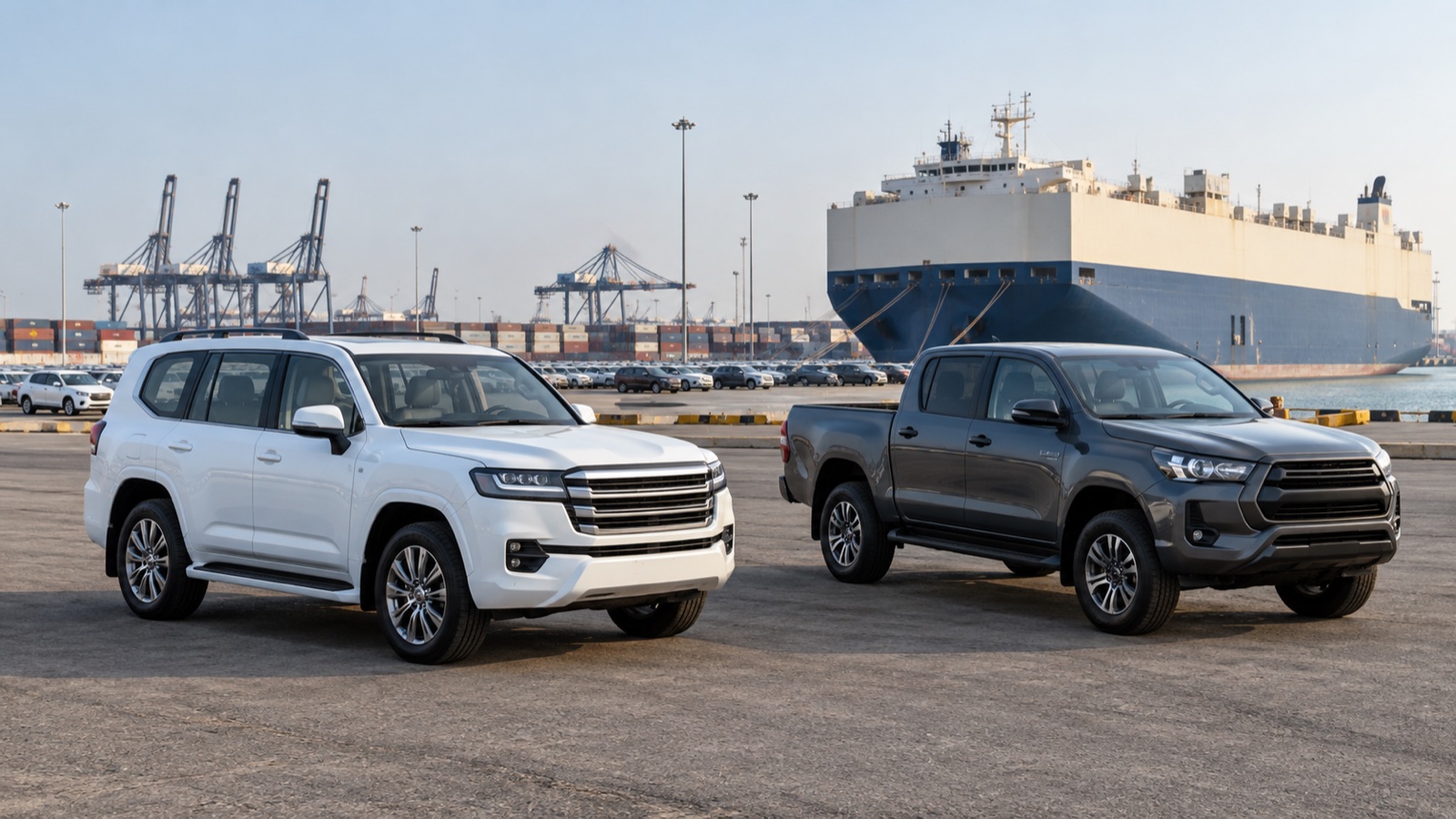
An attractive vehicle price is only part of a good export purchase. The deal also needs to survive inspection, documentation checks, shipping costs and the import rules waiting at the other end.
A pickup can carry the right model badge but the wrong emissions specification. A freight quotation can cover the sea journey while leaving substantial destination charges unpaid. Even a new, unregistered vehicle needs a clear documentary route from the seller to the receiving country.
The safest starting point is simple: confirm that you can import and register the exact vehicle before committing to payment. Then work through the purchase in a sequence that keeps the specification, money and paperwork aligned.
This guide explains that sequence for overseas buyers, dealers and fleet procurement teams sourcing vehicles from the UAE.
1. Start with the destination country
Before asking which vehicle offers the best value, establish which vehicles your market will accept.
Contact the destination customs authority, registration authority and a licensed local clearing agent. Ask them to assess the intended vehicle against current requirements, including:
- Age: Is eligibility based on manufacture date, model year or first registration?
- Steering position: Is the proposed left-hand-drive or right-hand-drive configuration permitted?
- Technical compliance: What emissions, safety or conformity standards apply?
- Condition: Are there restrictions on used, repaired, modified or salvage vehicles?
- Permissions: Must an import permit or pre-shipment certificate be obtained before dispatch?
- Importer status: Can you import personally, or must a registered business act as importer?
Request a landed-cost estimate covering duties, taxes, clearance, compliance work and registration. Ask how customs will establish the taxable value.
Where possible, obtain confirmation against the exact variant and VIN or chassis number. Approval for one engine or body configuration may not cover another.
If the shipment enters through a neighbouring country, check transit requirements separately. Permission to unload at a port does not necessarily establish eligibility for registration in the final destination.
2. Write a specification brief that leaves little room for interpretation
“Send your best price for ten pickups” will produce enquiries and offers, but it may not produce comparable vehicles.
A useful buying brief identifies the model, production date or acceptable production range, model year, engine, fuel, transmission, drivetrain, steering position, trim and required equipment. Commercial buyers should add seating, payload, gross vehicle weight and body requirements.
Use Consolidated Automotive’s vehicle catalogue to build a shortlist, then request written confirmation of the actual specification being offered.
For a Mitsubishi L200, for example, the enquiry should identify the required cab configuration, drivetrain, transmission and grade. The model name alone is not a complete purchase description.
Ask what “new” means in the quotation. Confirm prior registration, mileage, production date, storage history and any repairs. A vehicle can be unregistered and still have spent considerable time in storage.
Also check warranty eligibility and service support in the receiving market. A warranty offered in one country should never be assumed to transfer internationally.
3. Verify who is selling—and what they control
Before paying a deposit, establish the legal identity of the seller.
Request the trade licence, registered business address and formal quotation. Verify the licence with the relevant issuing authority where that service is available. Identify the company entering the contract and issuing the invoice.
Then ask how the vehicle will be supplied. Is it owned stock, stock held by another supplier or a unit that still needs to be sourced? That distinction affects allocation, delivery expectations and deposit terms.
For an allocated vehicle, request:
- The VIN or chassis number and photographs of its physical marking.
- Current images of the actual vehicle, including identification labels.
- Relevant ownership, registration or import records.
- Confirmation of any finance, lien or restriction affecting its release.
Match the VIN across the vehicle, inspection report, invoice and eventual shipping documents.
If the vehicle has not yet been allocated, record when the VIN will be provided and what happens if the seller cannot supply the agreed specification. Representative images are useful for shortlisting; they should not become the only evidence of what you purchased.
4. Compare the complete cost, not just the vehicle price
A quotation should explain what you are buying, where the seller’s obligations end and which costs remain yours.
Ask for the currency, validity period, quantity, payment stages and delivery basis. If an Incoterms® rule is used, include its version and named place or port.
Use the following comparison when reviewing offers:
| Cost area | What to confirm |
|---|---|
| Vehicle | Exact specification, quantity, condition and allocation |
| Origin services | Inspection, inland transport, documentation and export clearance |
| Shipping | Loading, port handling, freight and route-related charges |
| Insurance | Whether included, insured value, excess and exclusions |
| Destination | Terminal charges, release, clearance and onward transport |
| Import and registration | Duties, taxes, inspections, compliance and registration |
A price described as “including shipping” needs further explanation. Ask whether it includes destination handling and release charges, and where transport risk passes to you.
For fleet orders, check which charges apply per vehicle and which apply per shipment. Bank fees and currency conversion also belong in the budget.
5. Inspect before the payment stage that matters
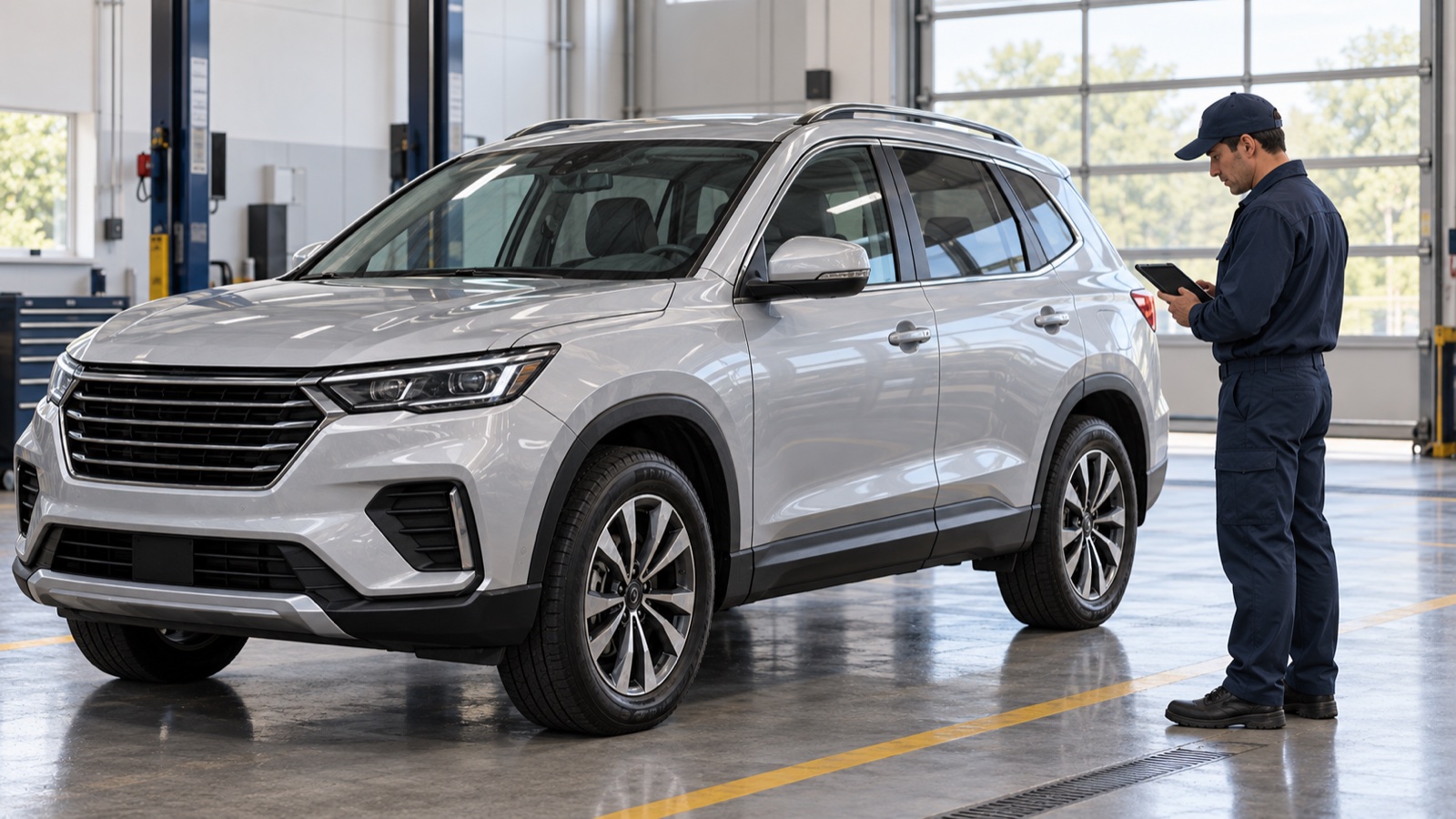
A pre-shipment vehicle inspection should answer two questions: does the vehicle match the agreement, and is its condition acceptable?
For a new vehicle, agree checks covering identity, mileage, paint, bodywork, glass, tyres, warning lights, equipment, keys and accessories. Storage and handling damage deserve attention even when the vehicle has never been registered.
For a used vehicle, expand the scope to structural condition, signs of accident or flood damage, mechanical operation, diagnostics and available service history.
An independent inspector reporting directly to the buyer can provide useful separation from the sales process. Require a dated report identifying the VIN, inspection location, findings and photographs.
Agree the remedy before inspection: repair and reinspection, replacement, a documented adjustment or cancellation under the contract.
A licensing inspection and a buyer’s condition inspection serve different purposes. Neither should be treated as automatic confirmation that the vehicle meets the destination’s import requirements.
6. Put the agreement and payment checks together
The purchase agreement should connect the vehicle, specification, price, inspection outcome and delivery arrangements.
Include the VIN when allocated, quantity, condition, payment milestones, document obligations and responsibility for delays. Record deposit refund conditions, ownership transfer and the point where transport risk passes to the buyer.
For multiple vehicles, attach a unit schedule. Require written approval for substitutions.
Before transferring money, verify the beneficiary details independently. Call an established company contact using a number obtained separately from the payment instructions. Resolve any difference between the beneficiary and contracting company with the seller and your bank.
Changed bank details require a fresh check, even within a familiar email conversation.
For larger orders, discuss suitable payment structures with your bank. Documentary payment arrangements can help manage document release, but they do not establish the physical condition of the vehicles.
7. Choose the correct export route for the vehicle’s status
The UAE vehicle export process depends on registration and customs status. Three situations need to be distinguished.
A vehicle registered in the UAE
For Dubai-registered vehicles, the RTA’s export route forms part of its registration cancellation service. Certificate issuance, plate handling, inspection and insurance requirements depend on the circumstances, including whether export plates are required. Consult the current RTA export certificate service for the vehicle concerned.
Vehicles registered in other emirates follow the relevant licensing authority or applicable Ministry of Interior process. Do not apply Dubai instructions automatically to an Abu Dhabi, Sharjah or other emirate’s registration.
A new, unregistered vehicle
There is no existing UAE road registration to cancel. The seller and appointed broker should establish the required ownership, import or clearance records and the applicable export procedure.
Confirm that route before purchase rather than assuming local registration is necessary.
A vehicle held for re-export
A vehicle held in a free zone, bonded facility or under an import-for-re-export arrangement may need a different customs declaration and supporting records.
The official unified customs procedures guide distinguishes export and re-export procedures, including initial import records where applicable. The appointed customs broker should identify the correct treatment.
8. Approve the documents and VAT arrangement before dispatch
Have your destination clearing agent review the proposed document pack before the shipment is booked.
Depending on the transaction, vehicle export documents may include the commercial invoice, vehicle or packing list, relevant ownership or export certificate, customs declaration, transport document and insurance certificate. Import permits, origin documents, conformity evidence or inspection certificates may also be required.
Check the consignee’s legal name, address and identification details carefully. Establish whether originals, electronic releases, translations or attestations are needed.
UAE VAT treatment also needs written agreement. Purchasing as an overseas buyer does not automatically establish zero-rating.
The Federal Tax Authority’s clarification on export evidence explains accepted documentary combinations for substantiating export. These include a customs declaration with commercial evidence proving export, or a shipping certificate with official evidence proving export.
Ask the supplier to confirm the applicable treatment, export deadline, required evidence and any VAT deposit or refund conditions. Record who must obtain the evidence and return it to the supplier.
9. Book freight with a clear insurance and responsibility plan
When shipping vehicles from the UAE, compare services against the actual vehicle and destination route.
Roll-on/roll-off and container shipping have different loading, handling and acceptance requirements. Request the ports, routing, transshipment details, cut-off dates, estimated schedule and excluded charges.
Distinguish an indicative sailing from a confirmed booking. Ask how delays could affect storage, demurrage or container detention costs.
Review cargo insurance separately. Check the insured value, excess, exclusions, coverage period, loading and unloading provisions, and claims procedure. Carrier liability should not be assumed to provide equivalent protection.
Record vehicle condition at collection and loading. Retain VIN photographs, mileage, key and accessory records and, for container movements, loading photographs and seal details.
Allocate responsibilities expressly:
- Seller: supplies the contracted vehicles and agreed documents and services.
- Buyer/importer: confirms destination eligibility and arranges the import obligations assigned to it.
- Forwarder: coordinates the transport and handling services within its appointment.
- Customs broker: prepares and submits declarations within its authorised scope.
- Authorities: assess compliance and determine clearance or release.
A shipment can involve several appointed parties. The contract should make their handovers clear.
10. Prepare for arrival before the vessel reaches port
Send draft documents to your destination agent early enough to correct discrepancies.
Arrange clearance funding, permits, compliance work and onward transport. Confirm the transport document’s release procedure and prepare for collection within the available free time.
At handover, match the VIN and inspect the vehicle before signing an unqualified receipt. Photograph damage or shortages and notify the relevant seller, carrier or insurer promptly under the applicable claims procedure.
For a fleet shipment, reconcile every unit against the agreed schedule. Check keys, accessories and documents as carefully as the vehicles themselves.
The buyer’s final checkpoint
Before releasing the agreed final payment or authorising shipment, confirm:
- Destination eligibility has been checked for the exact specification.
- Seller identity and bank beneficiary details have been verified.
- VIN, quantity, condition and equipment match the agreement.
- Inspection findings have been accepted or resolved.
- Price exclusions, ownership transfer and transport risk are documented.
- Licensing, customs and VAT evidence responsibilities are assigned.
- The destination agent has reviewed the document requirements.
- Freight, insurance, release and collection arrangements are understood.
Start with the details that make a quotation useful
A precise enquiry gives the seller something concrete to assess and gives you a better basis for comparing offers.
Contact Consolidated Automotive with your destination country and port, preferred model and specification, quantity, and required timing. Include any import approval or inspection requirements already confirmed by your destination agent.
That puts the buying conversation on the right footing: a defined vehicle, a clear destination and a purchase process you can check at every stage.