
Two quotations can both say “Mitsubishi L200 double cab” and still describe different vehicles. Equipment changes with generation, market and grade, while an export listing may show a specification range rather than the details of a particular allocated unit. The useful question is whether the proposed vehicle meets your destination requirements and daily work.
Start with the exact vehicle identity
Ask for the model year, model or grade code, steering position, engine code, transmission and country specification on one written attachment. Request the VIN or chassis number when an individual unit has been allocated. Match that identity across the quotation, inspection evidence and final shipping documents.
Our 2026 L200 specification sheet describes a double cab, 2.4 litre diesel, six speed automatic 4WD configuration. It also contains equipment and dimensions for different grades. Treat the sheet as a starting point for questions, then have the supplier identify the exact entries that apply to the quoted vehicle. A listing alone does not confirm stock availability.
Separate the engine from the equipment grade
Do not assume every L200 with the same engine capacity has the same output, emissions specification or transmission. Mitsubishi’s global Triton introduction describes several diesel output versions and both manual and automatic transmissions. That is a model range reference, rather than confirmation of a particular UAE export unit.
Ask which engine and emissions version will be delivered, which fuel quality it requires and which maintenance information accompanies it. Have the destination importer confirm that the exact specification can be imported, registered and supported locally before committing funds. Include the engine identification and emissions documents in that review.
Confirm which 4WD system is installed
The labels “4WD” and “Super Select” should not be used interchangeably. Mitsubishi describes both Easy Select and Super Select 4WD II within the Triton family. Their available modes and road use differ. Ask for the installed system by name, a clear photograph of its selector and the matching owner’s manual.
Record whether the quoted grade includes a rear differential lock and any required drive modes. These features should appear as confirmed inclusions on the order. Do not infer them from a photograph of another grade or from the fact that the vehicle is a double cab.
Check the cargo job before choosing accessories
Measure your actual load, including its length, width, height and loading method. Our current specification sheet gives a bed interior of 1,555 × 1,545 × 525 mm; verify those measurements on the proposed configuration, especially if a liner, canopy or toolbox is being fitted. Check the space between wheel housings separately if it affects a pallet or equipment case.
| Order item | What to obtain in writing | Why it matters |
|---|---|---|
| Vehicle identity | Model year, grade code and allocated chassis details | Keeps quotation and delivered unit aligned |
| Engine and gearbox | Exact diesel version, emissions specification and transmission | Supports destination and servicing checks |
| Drive system | System name, selector modes and differential lock status | Establishes the controls the driver will receive |
| Working load | Vehicle, axle, payload and towing limits for the exact unit | Supports a realistic loaded assessment |
| Equipment | Itemised standard equipment and fitted accessories | Avoids relying on another grade’s brochure |
Calculate the operating load with passengers, tools, cargo and permanent accessories included. If towing is part of the job, request the towing, towball, axle and gross combination limits together. A broad “one tonne pickup” description is not a load approval for your finished vehicle.
Verify equipment with evidence from the proposed unit
List the features that matter to your business: air conditioning, camera, parking aids, lighting, airbags, phone integration and charging points. Ask for a dated photo or video set of the proposed unit and compare it with the written specification. Where allocation has not happened, make that limitation explicit and agree how final confirmation will occur.
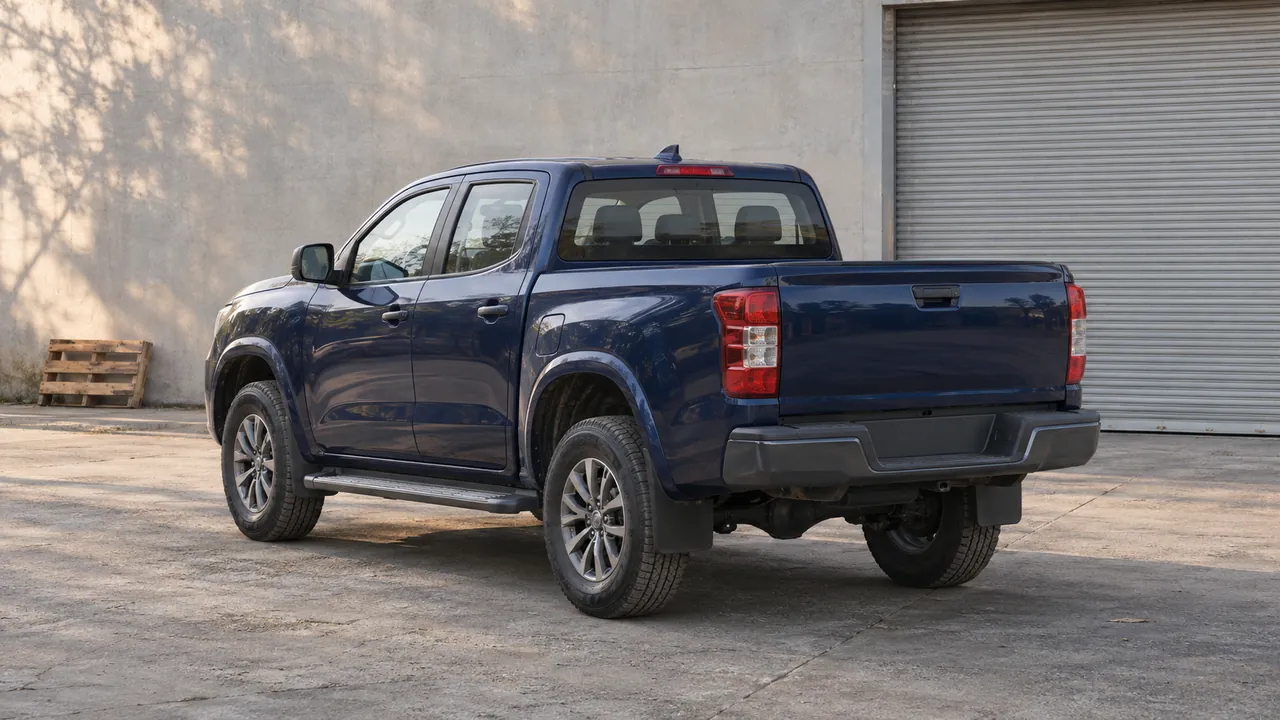
This article’s opening scene illustrates pickup order planning. For exact bodywork, equipment and condition, request original photographs of the vehicle being offered. Save those alongside the quotation and the completed checklist so the purchasing team uses the same reference.
Agree the export scope and handover evidence
Request an itemised quotation stating currency, validity, payment milestones, delivery terms and exclusions. Confirm who supplies export documents, arranges transport and insurance, and handles destination clearance. Use our quotation review guide to compare offers on the same basis, and the export documents checklist to organise the paperwork.
Warranty and aftersales support also need written answers. Ask who provides coverage, where it applies, what is excluded and how a destination claim would be handled. Keep that answer separate from an assumption about local dealer support.
Request your L200 specification quotation
Send the destination country and port, quantity, intended use, passenger and load requirements, preferred model year, gearbox and drive system. Add any essential equipment and the required delivery window. We can then discuss the relevant inventory options and confirm the available specification and quotation scope. If you are still comparing pickups, read the Hilux and L200 comparison first.